
 Español
 Pусский
 العربية
 中文
中文EVA hot melt edge banding problems
Here is a 500-word English description of EVA hot melt edge banding problems, without any company names:EVA hot melt edge banding is widely used in furniture manufacturing because it offers fast processing, good bonding performance, and relatively low cost. However, several problems may occur during application, which can affect product appearance, durability, and production efficiency. Understanding these common issues is important for improving edge banding quality and reducing waste.One of the most common problems is poor adhesion. If the glue temperature is too low, the EVA hot melt adhesive may not fully melt, resulting in weak bonding between the edge band and the substrate. If the temperature is too high, the adhesive can over-burn, lose viscosity, or degrade, also causing poor bonding. In addition, insufficient glue quantity or uneven glue application may create gaps, leading to edge lifting or peeling after a short period of use. Surface contamination on the board or edge band, such as dust, oil, or moisture, can further reduce adhesion strength.Another frequent issue is glue line visibility. In some cases, the glue line between the edge band and the panel becomes too noticeable, affecting the appearance of the finished product. This problem often happens when the adhesive color does not match the panel color, the glue layer is too thick, or the bonding pressure is not properly controlled. Uneven pressing may also cause irregular glue lines, making the edge look messy or unprofessional.Edge banding displacement is another challenge. During the bonding process, the edge band may shift from its intended position if the machine feeding speed is unstable or if the pressure rollers are not properly aligned. This can lead to overhang, misalignment, or poor corner finishing. When the edge band is not positioned correctly, additional trimming and rework are often needed, increasing production time and cost.Bubbling and blistering can also occur. These defects are usually caused by trapped air, uneven heating, or excessive moisture in the board material. If the substrate contains too much water, the heat from the adhesive may cause steam to form, creating bubbles under the edge band. Similarly, if the glue is not evenly spread, air pockets may remain and later become visible on the surface.Another problem is edge cracking or breaking. EVA adhesive has good general performance, but under high temperature, heavy load, or long-term aging, the bond strength may decrease. This may lead to cracking at the edge, especially when the panel is frequently exposed to heat, humidity, or mechanical stress. Low-quality edge band materials can also contribute to this issue.Finally, cleaning and maintenance are important. Residual glue on the machine or workpiece can affect the next production cycle and create uneven surfaces. Regular adjustment of temperature, pressure, and feeding speed, along with proper material preparation, can significantly reduce these problems.In conclusion, EVA hot melt edge banding is an efficient and economical process, but it requires careful control of processing conditions. By managing temperature, pressure, glue amount, and material quality, manufacturers can greatly improve edge banding results and ensure a better final product.
Products
Category:
-
K-805
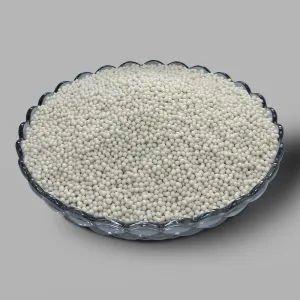
Category: K SeriesBrowse number: 242Number:Release time: 2026-07-28 15:12:10Compatible Equipment: Automatic edge banding machinesRange of Application: Suitable for PVC, melamine papers, veneer edge banding. Primarily used for thickened panels in wood door manufacturing and other thickened panels, and especially for the equipment which has poor heating performance conditions.Characteristics: Short curing time, good initial tack, no adhesive thread, cold and heat resistance, excellent solvent resistance, good peel strength.
News
Category:
-
[industry news]How to choose the right hot melt adhesive?
2026-07-20 16:07:57
Case
Category:
No search results found!
Video
Category:
No search results found!
Download
Category:
-
[Certificates & Reports]EVA-Yousheng(Guangdong) REACH 2026
2026-07-30 15:57:19
Job
Category:
No search results found!
Featured Products
No search results found!



 Phone
Phone