
 Español
 Pусский
 العربية
 中文
中文reactive hot melt edge banding
Reactive hot melt edge banding is a high-performance adhesive solution used in modern woodworking and furniture manufacturing to achieve durable, clean, and visually appealing edge finishes. It is designed for bonding edge banding materials to substrates such as particleboard, MDF, plywood, and other engineered wood panels. Compared with conventional hot melt adhesives, reactive hot melt formulas offer enhanced bonding strength, heat resistance, moisture resistance, and long-term durability, making them suitable for demanding indoor and semi-industrial applications.The main advantage of reactive hot melt edge banding lies in its combination of fast processing and strong final performance. During application, the adhesive is heated and applied in a molten state, allowing for rapid wetting and excellent initial tack. Once the edge banding material is pressed onto the panel, the adhesive begins to set quickly, enabling efficient production and short cycle times. After curing, the adhesive undergoes a chemical reaction that significantly improves its mechanical properties and resistance to environmental stress. This reactive curing process helps create a stronger and more stable bond than standard thermoplastic hot melt adhesives.Reactive hot melt edge banding is especially valued for its ability to provide seamless and attractive edges. It helps minimize visible glue lines and supports precise adhesion of materials such as PVC, ABS, melamine, veneer, and decorative laminates. The result is a smooth and professional finish that enhances both the appearance and durability of furniture components. In addition, the adhesive is often formulated to resist edge lifting, cracking, and peeling, which are common issues in furniture exposed to frequent use or changing temperatures.Another important benefit is its compatibility with automated edge banding machinery. The adhesive can be used in high-speed production lines, supporting consistent application and reduced waste. Its stable melting behavior and efficient curing characteristics make it suitable for large-scale manufacturing where productivity and quality control are essential. Operators can achieve reliable results with proper temperature management, pressure settings, and surface preparation.Reactive hot melt edge banding is also known for its resistance to moisture, heat, and chemicals. These properties make it a practical choice for kitchen furniture, bathroom cabinets, office furniture, and other products that may be exposed to challenging conditions. By maintaining bond integrity over time, it helps extend the service life of furniture and reduces the need for repairs or rework.To obtain the best performance, the substrate surface should be clean, dry, and free from dust, oil, or release agents. Proper edge material selection, adhesive temperature, and machine settings are also essential for achieving a strong and lasting bond. When applied correctly, reactive hot melt edge banding delivers excellent efficiency, attractive results, and dependable durability in modern furniture production.If you want, I can also rewrite this into a more technical, sales-oriented, or SEO-friendly English version.
Products
Category:
PUR
-
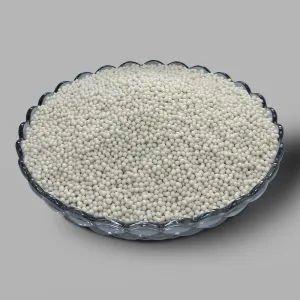
K-802
Category: K SeriesBrowse number: 284Number:Release time: 2026-07-28 15:53:45Compatible Equipment: Manual edge banding machinesRange of Application: Suitable for PVC, melamine papers, veneer edge bandingCharacteristics: Long open time, fast curing, good initial tack, no adhesive thread, good peel strength, cost-effective.
News
Category:
-
[industry news]What are the five major factors that affect the quality of e...
2026-07-08 10:59:40
Case
Category:
No search results found!
Video
Category:
No search results found!
Download
Category:
-
[Technical Data Sheet]B3030_TDS_ENG
2026-07-30 15:32:10
Job
Category:
No search results found!
Featured Products
No search results found!



 Phone
Phone